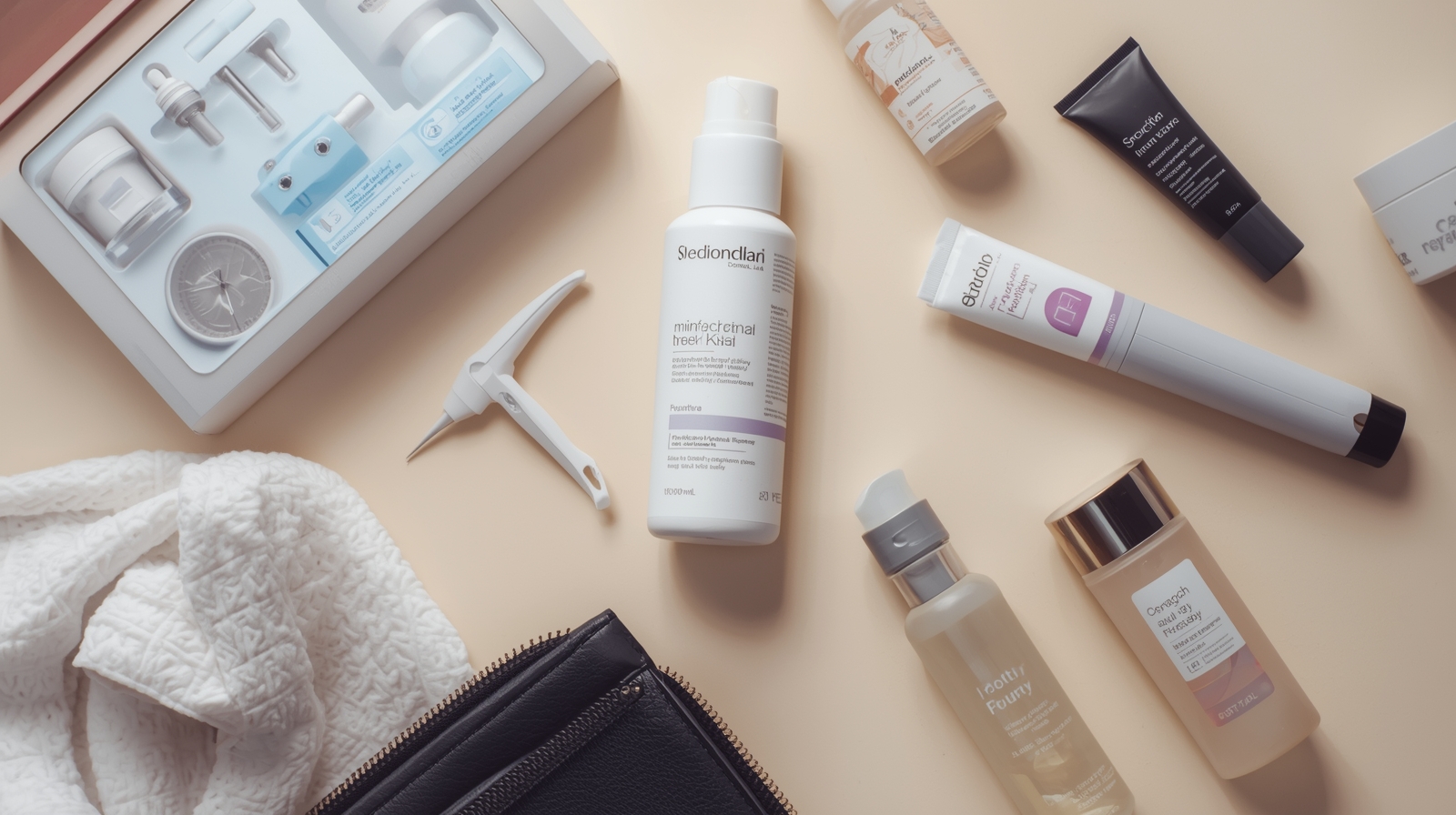
Skin changes naturally with age due to factors such as reduced collagen production, slower cell turnover, decreased elasticity, and environmental exposure. Anti-aging skincare treatments aim to maintain skin health, improve surface texture, support barrier function, and prevent signs of aging. This guide explains essential anti-aging treatments, how they work, and how to integrate them into daily routines for optimal results.
Understanding Skin Aging
Skin aging is influenced by two main processes:
Intrinsic aging – Natural changes due to genetics and time, including reduced collagen and elastin, thinning skin, and slower cell renewal.
Extrinsic aging – Environmental and lifestyle factors such as UV exposure, pollution, diet, smoking, and repetitive facial movements.
Anti-aging treatments address both intrinsic and extrinsic factors by supporting barrier function, hydration, and cellular repair.
How to Select Anti-Aging Skincare Treatments
Choosing effective treatments depends on:
Skin type: Oily, dry, combination, normal, or sensitive.
Skin concerns: Wrinkles, fine lines, sagging, uneven tone, pigmentation, or dryness.
Tolerance: Some actives can cause irritation, particularly for sensitive skin.
Routine consistency: Long-term use improves outcomes.
A combination of preventive and corrective treatments provides the best results.
Top Anti-Aging Skincare Treatments
- Cleansing
Cleansing is the foundation of any skincare routine. Proper cleansing removes debris, oil, makeup, and environmental pollutants.
How It Works
Prevents clogged pores and surface buildup.
Prepares the skin for treatments.
Maintains skin barrier function when using gentle formulations.
How to Apply
Use a gentle cleanser suitable for skin type.
Massage on damp skin for 30–60 seconds.
Rinse with lukewarm water and pat dry.
- Moisturizers
Moisturizers support hydration and barrier function, which are critical in aging skin.
How It Works
Prevents water loss.
Supports barrier repair.
Reduces surface dryness, which can accentuate fine lines.
How to Apply
Apply after cleansing and serums.
Use morning and night for consistent hydration.
Select richer creams for dry skin and lighter formulations for oily or combination skin.
- Sunscreen
Daily sunscreen protects against UV-induced skin aging, pigmentation, and surface damage.
How It Works
Blocks UVA and UVB radiation.
Prevents DNA damage and oxidative stress.
Reduces risk of pigmentation and surface damage.
How to Apply
Apply broad-spectrum SPF 30 or higher every morning.
Cover face, neck, and exposed areas.
Reapply every 2–3 hours during sun exposure.
- Retinoids
Retinoids regulate cell turnover and support collagen production.
How It Works
Accelerates cell renewal.
Reduces appearance of fine lines and surface roughness.
Supports repair of sun-damaged skin.
How to Apply
Apply a small amount at night on clean skin.
Start 2–3 times per week and gradually increase frequency.
Use moisturizer to minimize dryness and irritation.
- Antioxidant Treatments
Antioxidants reduce oxidative stress and protect skin from free radical damage.
Common Ingredients
Vitamin C derivatives: support collagen production and tone.
Vitamin E: protects cell membranes from oxidative damage.
Green tea extract: reduces inflammation and oxidative stress.
How to Apply
Apply serums or creams after cleansing and before moisturizer.
Use daily for consistent protection.
Layer under sunscreen in the morning.
- Peptides
Peptides support collagen synthesis and barrier function.
How It Works
Signals skin to produce collagen and elastin.
Supports surface repair and barrier maintenance.
Can improve skin firmness over time.
How to Apply
Apply serum or cream with peptides after cleansing and toning.
Can be used morning and night.
Combine with moisturizer for optimal absorption.
- Hyaluronic Acid and Hydrating Serums
Hydration is essential for minimizing the appearance of fine lines and maintaining skin elasticity.
How It Works
Retains water within the skin.
Supports barrier function.
Provides a smooth surface for subsequent treatments.
How to Apply
Apply after cleansing and toning.
Pat gently into skin until absorbed.
Follow with moisturizer to lock in hydration.
- Chemical Exfoliants (AHAs and BHAs)
Exfoliation supports cell turnover and improves surface texture.
How It Works
Removes dead skin cells.
Supports smoother, more uniform tone.
Enhances absorption of active ingredients.
How to Apply
Use 1–3 times per week depending on tolerance.
Apply to clean skin before serums and moisturizer.
Avoid over-exfoliation to prevent barrier damage.
- Professional Treatments
Professional treatments provide deeper intervention for aging concerns.
Options
Microneedling: stimulates collagen and elastin production.
Chemical peels: remove surface buildup and support cell turnover.
Laser or light therapy: reduces fine lines, pigmentation, and improves surface texture.
How to Apply
Conducted by licensed professionals.
Follow aftercare instructions carefully.
Can complement home skincare routine.
- Eye and Neck Treatments
Targeted treatments for delicate areas support hydration and repair.
How It Works
Reduces appearance of fine lines around eyes and neck.
Supports hydration in areas with thinner skin.
Can reduce surface irritation and maintain barrier function.
How to Apply
Use small amounts of cream or serum.
Tap gently around eyes and along neck.
Apply morning and night as part of routine.
Building an Anti-Aging Skincare Routine
Morning Routine
Cleanser
Antioxidant serum
Moisturizer
Sunscreen
Night Routine
Cleanser
Retinoid or peptide serum
Hydrating serum or essence
Moisturizer
Optional professional or targeted treatments 1–3 times per week
Layering Treatments Correctly
Apply products from thinnest to thickest texture.
Water-based products first, then serums, then creams.
Allow 1–2 minutes between actives and moisturizer.
Avoid combining strong actives unless tested for tolerance.
Adjusting for Skin Types
Oily Skin
Gel cleanser, lightweight serum, oil-free moisturizer.
Avoid heavy creams that can clog pores.
Dry Skin
Cream cleanser, rich hydrating serum, thicker moisturizer.
Nighttime masks for added hydration.
Sensitive Skin
Gentle cleanser, barrier-supporting serum, fragrance-free moisturizer.
Introduce actives slowly to monitor tolerance.
Combination Skin
Balance lighter products in oily zones with richer hydration in dry areas.
Lifestyle Support for Aging Skin
Use clean pillowcases and towels to reduce bacteria.
Maintain hydration through water intake.
Avoid excessive sun exposure and use protective clothing.
Follow a balanced diet to support skin health.
Manage stress to reduce cortisol-induced skin aging.
Tracking Progress
Initial improvements: hydration and smoother surface in 2–4 weeks.
Texture and tone improvement: 6–8 weeks.
Long-term firmness and barrier support: 12 weeks or more.
Document changes to adjust routine and identify effective treatments.
Common Mistakes to Avoid
Skipping sunscreen.
Over-exfoliating or overusing actives.
Layering incompatible ingredients.
Using multiple new products at once.
Expecting immediate results.
Consistency and patience are key to effective anti-aging care.
Summary of Anti-Aging Treatments
Treatment Purpose How to Use
Cleanser Remove debris Daily, morning and night
Moisturizer Hydration & barrier Daily
Sunscreen UV protection Daily, morning
Retinoids Cell turnover Night, 2–3x/week initially
Antioxidants Reduce free radical damage Daily, morning
Peptides Collagen support 1–2x/day
Hyaluronic acid Hydration Daily
Chemical exfoliants Surface renewal 1–3x/week
Professional treatments Accelerated improvement Licensed professional
Eye & neck treatments Targeted repair Morning and night
Final Thoughts
Anti-aging skincare treatments focus on maintaining skin health, supporting barrier function, improving texture, and preventing early signs of aging. Consistent routines combining hydration, active ingredients, sun protection, and professional interventions yield measurable results. Correct layering, monitoring progress, and adjusting treatments based on skin type optimize long-term outcomes.
