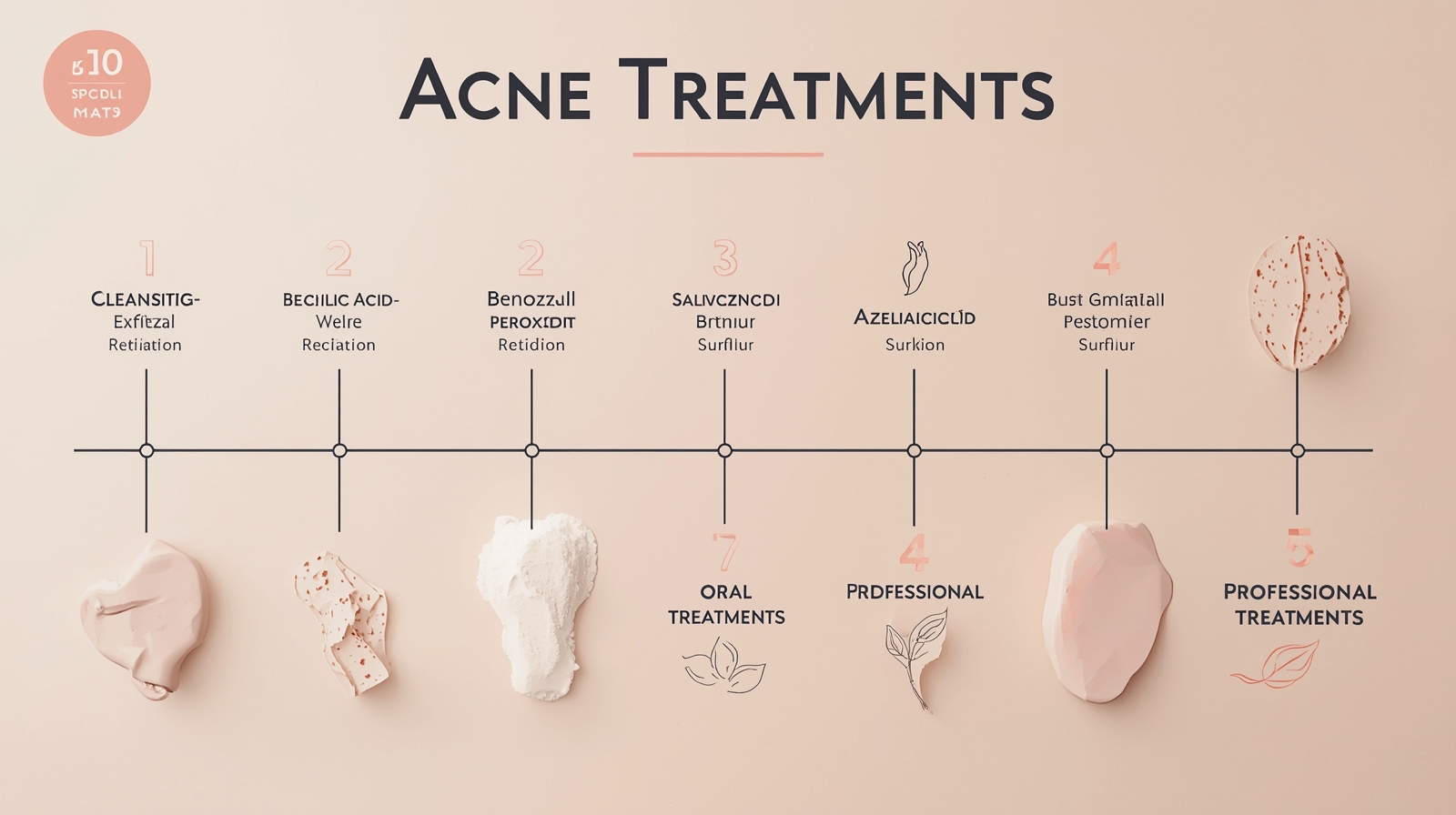
Acne is a common skin condition caused by clogged pores, excess oil, bacteria, and inflammation. It can appear as whiteheads, blackheads, papules, pustules, or cysts. Effective acne treatment requires understanding the underlying causes, using targeted treatments, and following a consistent routine. This guide explains the best acne treatments, how they work, and how to integrate them into daily skincare for clearer skin.
Understanding Acne
Acne develops due to several factors:
Excess sebum production – Oil glands produce more sebum, which can block pores.
Dead skin cell buildup – Accumulation of dead cells clogs hair follicles.
Bacterial growth – Propionibacterium acnes (P. acnes) multiplies in clogged pores.
Inflammation – Immune response causes redness and swelling.
Effective treatments target one or more of these causes to reduce breakouts and support skin repair.
How to Choose Acne Treatments
Choosing the right treatment depends on:
Skin type: Oily, dry, combination, or sensitive.
Severity of acne: Mild, moderate, or severe.
Tolerance to ingredients: Some actives may cause irritation.
Consistency: Regular use produces better results than frequent product changes.
Top Acne Treatments
- Benzoyl Peroxide
Benzoyl peroxide kills acne-causing bacteria and reduces inflammation.
How It Works
Penetrates follicles and releases oxygen to kill P. acnes.
Reduces blocked pores and inflammation.
How to Use
Apply 2.5–10% concentration to affected areas.
Start with lower concentrations to monitor tolerance.
Use once daily and increase if tolerated.
Follow with moisturizer to prevent dryness.
- Salicylic Acid
Salicylic acid unclogs pores and supports exfoliation.
How It Works
Penetrates pores to remove dead skin cells.
Reduces formation of blackheads and whiteheads.
Supports mild anti-inflammatory effects.
How to Use
Use 0.5–2% formulations in cleansers, toners, or spot treatments.
Apply once or twice daily.
Follow with moisturizer.
- Retinoids (Tretinoin, Adapalene, Tazarotene)
Retinoids regulate cell turnover and prevent pore blockage.
How It Works
Increases skin cell turnover.
Reduces formation of comedones.
Supports surface repair.
How to Use
Apply a pea-sized amount at night on clean skin.
Start 2–3 times per week and increase gradually.
Combine with moisturizer to reduce dryness.
- Niacinamide
Niacinamide reduces inflammation and oil production.
How It Works
Reduces redness and swelling.
Controls excess sebum.
Supports skin barrier function.
How to Use
Apply 2–5% serum or cream once or twice daily.
Can be combined with other acne treatments.
Safe for sensitive skin.
- Azelaic Acid
Azelaic acid is an antibacterial and exfoliating agent.
How It Works
Reduces P. acnes bacteria.
Promotes removal of dead skin cells.
Supports reduction of post-acne pigmentation.
How to Use
Apply 10–20% cream or gel to affected areas twice daily.
Can be combined with other treatments.
Suitable for sensitive or reactive skin.
- Alpha Hydroxy Acids (AHAs)
AHAs exfoliate the surface and improve skin texture.
How It Works
Removes dead skin cells.
Supports smoother skin and reduces pore blockage.
How to Use
Use 5–10% concentration in cleansers or 5–15% in leave-on products.
Apply 1–3 times per week initially.
Follow with sunscreen during the day.
- Sulfur
Sulfur reduces excess oil and supports exfoliation.
How It Works
Absorbs sebum.
Promotes removal of surface debris.
Reduces bacterial growth.
How to Use
Apply 3–10% sulfur-based spot treatment to affected areas.
Use once daily at night.
Follow with moisturizer if dryness occurs.
- Tea Tree Oil
Tea tree oil is a natural antibacterial agent.
How It Works
Kills P. acnes bacteria.
Reduces inflammation and redness.
Mild exfoliating effect.
How to Use
Use 5% diluted tea tree oil in carrier oil or pre-formulated gel.
Apply as spot treatment once or twice daily.
Avoid eyes and sensitive areas.
- Oral Treatments
Oral treatments are used for moderate to severe acne.
How They Work
Antibiotics reduce bacterial growth and inflammation.
Hormonal therapy regulates androgen levels affecting oil production.
Considerations
Prescription required.
Follow doctor instructions carefully.
Monitor for side effects.
- Professional Treatments
Professional interventions can accelerate results.
Options
Chemical peels: remove surface buildup.
Light therapy: reduces bacteria and inflammation.
Laser therapy: targets deeper acne lesions.
Considerations
Performed by licensed professionals.
Follow aftercare instructions.
Can complement home care routine.
Building an Acne Treatment Routine
Morning Routine
Cleanser
Niacinamide or lightweight serum
Moisturizer
Sunscreen
Night Routine
Cleanser
Treatment (benzoyl peroxide, retinoid, or azelaic acid)
Moisturizer
Spot treatment if needed
Exfoliation can be added 1–3 times per week depending on skin tolerance.
Layering Acne Treatments Safely
Apply products from thinnest to thickest consistency.
Avoid combining strong actives in the same session unless tested.
Wait 1–2 minutes between layers.
Moisturize to reduce dryness and irritation.
Adjusting Treatments Based on Skin Type
Oily Skin
Gel cleansers, lightweight serum, niacinamide.
Use oil-free moisturizer.
Dry Skin
Cream cleanser, hydrating serum, richer moisturizer.
Nighttime masks for added hydration.
Sensitive Skin
Gentle cleanser, barrier-supporting serum, fragrance-free moisturizer.
Avoid strong acids initially.
Combination Skin
Balance lighter products in oily zones and richer formulas in dry areas.
Common Mistakes to Avoid
Overusing products and causing irritation.
Skipping sunscreen, leading to post-acne pigmentation.
Expecting immediate results.
Not patch-testing new treatments.
Picking or squeezing acne, which spreads bacteria and causes scarring.
Supporting Lifestyle Habits
Maintain clean pillowcases and towels.
Drink water to support hydration.
Eat a balanced diet to reduce triggers.
Avoid touching the face frequently.
Manage stress, as it can trigger flare-ups.
Tracking Progress
Initial improvements: 2–4 weeks.
Significant reduction in breakouts: 6–8 weeks.
Full results: 12 weeks or more.
Document skin changes to adjust routine and identify effective treatments.
Summary of Best Acne Treatments
Treatment Function Use
Benzoyl Peroxide Kill bacteria 1–2x/day
Salicylic Acid Unclog pores 1–2x/day
Retinoids Cell turnover Night, 2–3x/week
Niacinamide Reduce inflammation 1–2x/day
Azelaic Acid Kill bacteria, pigment 2x/day
AHAs Exfoliation 1–3x/week
Sulfur Oil control Night
Tea Tree Oil Spot antibacterial 1–2x/day
Oral treatments Moderate-severe acne Prescription
Professional treatments Accelerated results Licensed professional
Final Thoughts
Effective acne treatment requires understanding the causes, selecting targeted treatments, and maintaining a consistent routine. Combining topical, oral, and professional treatments with proper cleansing, hydration, and sun protection produces clearer skin. Monitoring results, adjusting based on skin response, and avoiding common mistakes ensure long-term skin health.
