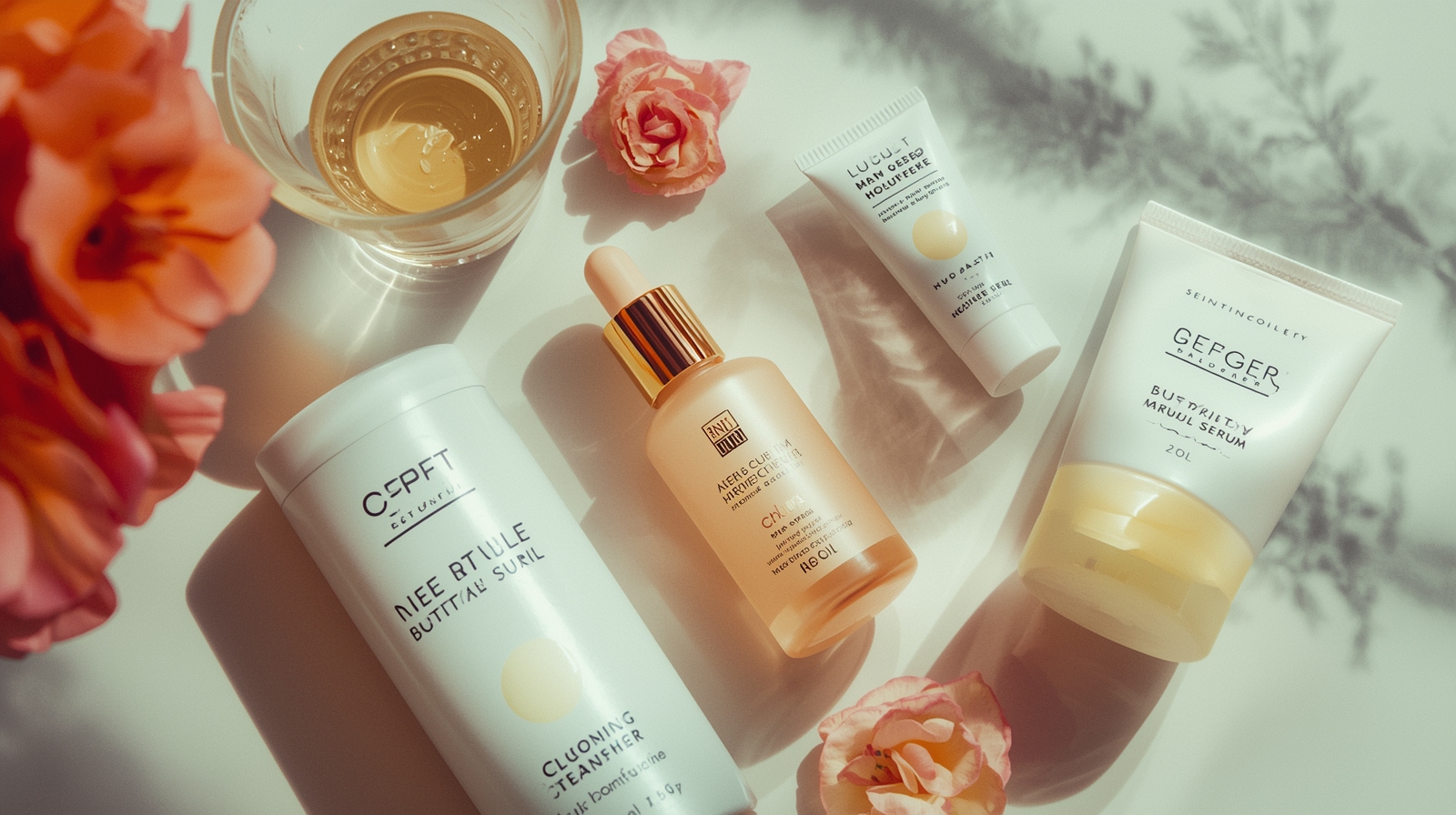
A skincare routine supports skin health, barrier function, hydration, and surface clarity. Many people believe that effective skincare requires expensive products. However, building a routine that works is possible with budget-friendly products and simple steps. This guide explains how to create a cost-effective skincare routine, the essential components, how to choose products, and how to maintain consistency for results.
Understanding the Basics of Skincare
Every skincare routine has three fundamental components:
- Cleansing: Removes dirt, oil, makeup, and environmental buildup.
- Treatment: Targets specific concerns such as hydration, oil control, minor pigmentation, or texture.
- Protection: Maintains barrier function and protects against environmental stress, primarily through sunscreen.
These steps apply to all skin types. A budget-friendly routine focuses on using affordable products that fulfill these functions without unnecessary extras.
Step 1: Identify Your Skin Type
Knowing your skin type helps you select appropriate products. Skin type is generally classified as:
- Oily: Excess oil production, frequent shine, visible pores.
- Dry: Tightness, flaking, minimal oil production.
- Combination: Oily in the T-zone, dry on cheeks.
- Normal: Balanced oil and hydration levels.
- Sensitive: Reacts easily to products, redness, irritation.
Simple tests can determine skin type:
- Blotting Paper Test: Press blotting paper on forehead, nose, cheeks, and chin. Observe oil patterns.
- Cleansing Observation: Wash your face and wait one hour without applying products. Observe shine, tightness, or balance.
Knowing your skin type prevents buying unnecessary products and ensures cost efficiency.
Step 2: Choose Essential Products
A budget-friendly routine focuses on essential products only:
- Cleanser
- Treatment or Serum
- Moisturizer
- Sunscreen
Optional items include exfoliants, spot treatments, or masks, which can be incorporated 1–3 times per week.
1. Cleanser
A cleanser removes surface buildup and prepares skin for treatment. For budget-friendly options:
- Gel or foam cleansers for oily skin
- Cream or lotion cleansers for dry skin
- Gentle formulations for sensitive skin
Cleansers are affordable and widely available in drugstores or online.
2. Treatment or Serum
Treatment addresses specific concerns. Choose one or two active ingredients depending on your skin goals:
- Hydration: Hyaluronic acid, glycerin
- Oil Control: Niacinamide, salicylic acid
- Minor Pigmentation: Vitamin C
- Barrier Support: Ceramides, niacinamide
Selecting multi-functional serums can reduce the number of products and cost.
3. Moisturizer
Moisturizer locks in hydration and supports barrier function. Budget-friendly choices include:
- Water-based lotions for oily skin
- Creams with glycerin or ceramides for dry skin
- Non-irritating moisturizers for sensitive skin
A single moisturizer can be used day and night if it suits your skin.
4. Sunscreen
Sunscreen is essential for daily protection. Options for cost-effective protection include:
- Broad-spectrum SPF 30 or higher
- Lightweight, non-comedogenic formulas
- Reputable drugstore brands
Sunscreen prevents UV-induced damage, supporting long-term skin health.
Step 3: Build a Routine
A simple routine ensures consistent use and maximizes the effectiveness of budget-friendly products.
Morning Routine
- Cleanser: Remove overnight oil and residue.
- Serum or Treatment (optional): Apply a hydrating or antioxidant serum.
- Moisturizer: Lock in hydration.
- Sunscreen: Apply daily, even on cloudy days.
Night Routine
- Cleanser: Remove makeup, sunscreen, and environmental buildup.
- Treatment or Serum: Apply active ingredients targeting repair or hydration.
- Moisturizer: Support barrier recovery overnight.
Optional: Exfoliation 1–3 times per week using affordable acids or masks.
Step 4: Prioritize Multi-Functional Products
Budget-friendly routines benefit from products that serve multiple purposes. Examples:
- Moisturizers with hyaluronic acid or ceramides for hydration and barrier support
- Serums with niacinamide for oil control, barrier support, and minor pigmentation
- Sunscreens with light hydration properties
Multi-functional products reduce the number of items needed and lower overall cost.
Step 5: Avoid Unnecessary Products
Common skincare products that may not be necessary for a budget-friendly routine:
- Multiple cleansers
- High-end masks
- Specialty eye creams
- Expensive branded toners
Focus on essentials and skip items that do not provide measurable benefits.
Step 6: Incorporate Affordable Ingredients
Natural or low-cost ingredients can supplement a routine:
- Aloe vera: Hydration and soothing
- Honey: Moisture and minor surface support
- Oatmeal: Soothing and light exfoliation
- Green tea extract: Antioxidant support
Use these ingredients in DIY masks or simple applications to reduce spending.
Step 7: Frequency and Consistency
Consistency is more important than product cost. Stick to a daily routine and monitor skin response:
- Morning routine: daily
- Night routine: daily
- Exfoliation: 1–3 times per week
- Spot treatment: as needed
Budget-friendly routines work effectively when products are used consistently.
Step 8: Seasonal Adjustments
Adjust products based on environmental conditions:
- Summer: Lightweight moisturizer, maintain sunscreen, optional serum
- Winter: Richer moisturizer, hydrating serum, maintain sunscreen
- High humidity: Gel-based or water-based products
- Low humidity: Cream-based products to prevent dryness
Step 9: Shopping Tips
- Check ingredients: Focus on functional ingredients, not brand or packaging.
- Compare prices: Drugstore options often match higher-end products in efficacy.
- Buy multi-purpose items: Reduce the number of products to save money.
- Purchase in larger sizes: Economical for products used daily.
- Avoid overbuying: Introduce one product at a time to see results.
Step 10: Track Skin Response
Keep a log of changes over 4–8 weeks:
- Hydration balance
- Oil production
- Minor breakouts
- Surface clarity
- Barrier condition
Tracking progress helps adjust product selection and frequency without unnecessary spending.
Common Mistakes in Budget-Friendly Routines
- Buying multiple unnecessary products
- Switching products too quickly
- Ignoring sunscreen
- Over-exfoliation
- Expecting immediate results
- Choosing products based on price alone
Avoiding these mistakes ensures a routine works effectively on a budget.
Examples of Budget-Friendly Products
Cleanser: Gel or cream cleansers available at drugstores
Serum: Affordable niacinamide, hyaluronic acid, or vitamin C serums
Moisturizer: Basic cream with ceramides or glycerin
Sunscreen: Broad-spectrum SPF 30+, drugstore brands
Exfoliant (optional): Low-concentration AHAs or BHAs
Step 11: Layering Products Correctly
- Apply products from thinnest to thickest
- Water-based serums before moisturizers
- Apply sunscreen last in the morning
- Wait 1–2 minutes between layers for absorption
Correct layering improves efficacy, even with budget-friendly products.
Step 12: Building a Routine Over Time
- Start with cleanser, moisturizer, and sunscreen
- Introduce serum after 1–2 weeks
- Gradually add optional treatments like exfoliants
- Adjust based on skin response
This approach prevents irritation and maximizes product effectiveness.
Step 13: Combining Products for Different Skin Types
Oily Skin: Gel cleanser, niacinamide serum, lightweight moisturizer, sunscreen
Dry Skin: Cream cleanser, hydrating serum, rich moisturizer, sunscreen
Combination Skin: Gel or cream cleanser, balancing serum, lightweight moisturizer, sunscreen
Sensitive Skin: Gentle cleanser, barrier-support serum, non-irritating moisturizer, sunscreen
Step 14: Budget-Friendly DIY Additions
- Aloe vera mask: Hydration and soothing
- Oatmeal paste: Light exfoliation and comfort
- Honey mask: Moisture retention and surface support
- Green tea mist: Antioxidant support
Use DIY treatments 1–3 times per week alongside the main routine.
Step 15: Maintaining Results
- Be consistent with the routine
- Use sunscreen daily
- Track progress over weeks
- Adjust products seasonally or as needed
- Avoid purchasing multiple new products simultaneously
Summary of Steps to Build a Budget-Friendly Routine
- Identify skin type
- Focus on essential products: cleanser, serum, moisturizer, sunscreen
- Choose multi-functional items
- Avoid unnecessary extras
- Incorporate affordable active ingredients
- Apply products in correct order
- Track results and adjust gradually
- Adjust for seasons and climate
- Use DIY remedies selectively
- Maintain consistency
Final Thoughts
Building a budget-friendly skincare routine is possible without sacrificing effectiveness. Focus on essential products, consistent application, and functional ingredients. Multi-purpose products and careful selection based on skin type reduce cost while maintaining results. Tracking skin response, adjusting routines over time, and integrating affordable DIY treatments further optimize a budget-conscious approach.
A routine that works is more about consistency, correct application, and understanding skin needs than product price. With proper structure and knowledge, budget-friendly skincare can provide measurable results and long-term skin health.
