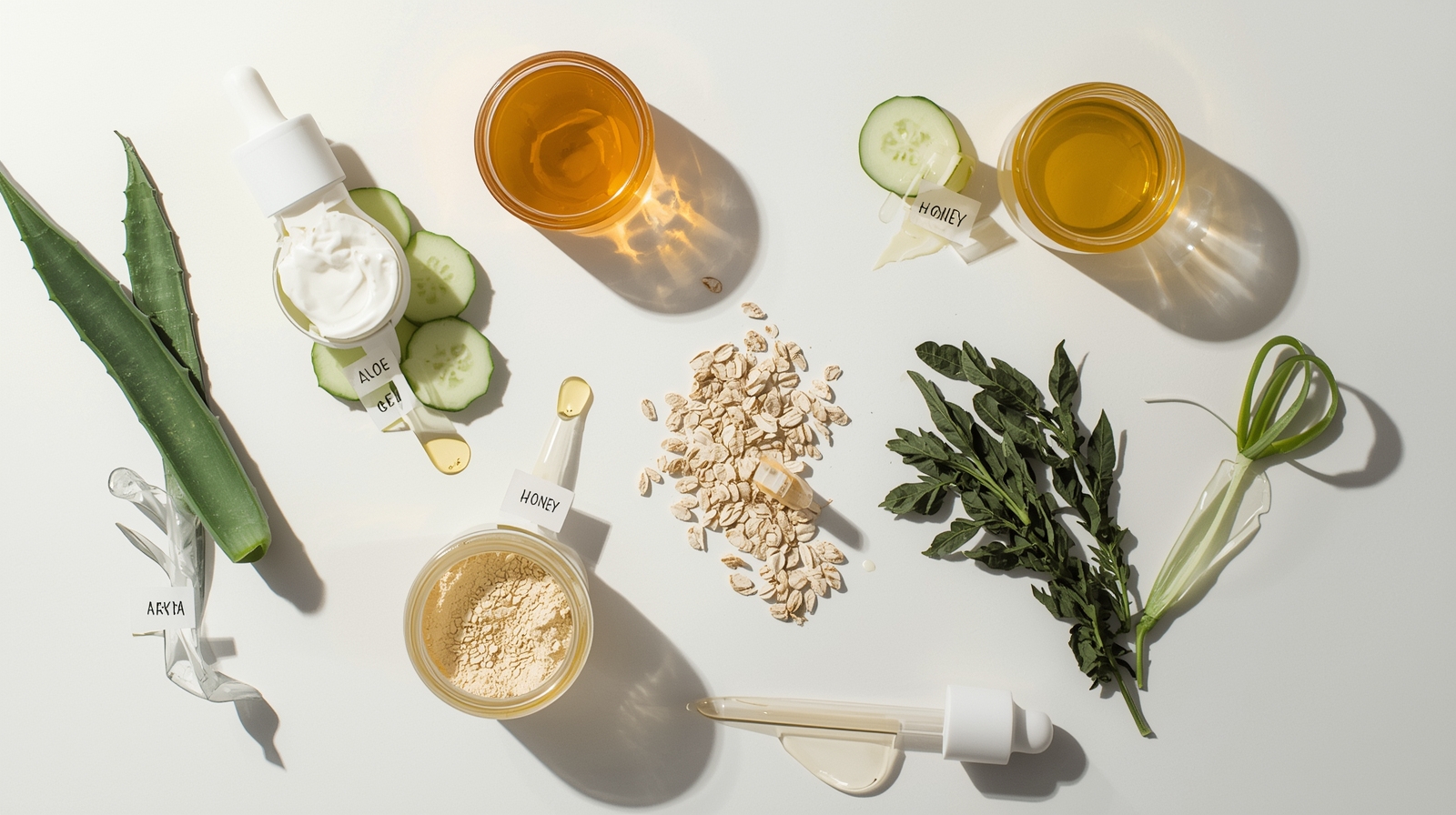
Natural skincare remedies have become a common interest. Many people look for plant-based or simple solutions to support skin health. While products in stores can be effective, natural remedies provide accessible alternatives. This guide explains natural ingredients, their functions, how to use them, precautions, and how to integrate them into a consistent skincare routine.
This guide focuses on evidence-based, practical approaches. It does not cover unverified trends. Natural remedies can support hydration, barrier protection, cleansing, and minor skin concerns when used consistently.
Understanding Natural Skincare
Natural skincare involves using ingredients derived from plants, minerals, or simple substances without synthetic chemicals. These remedies support skin in the following ways:
Cleansing and removing buildup
Maintaining moisture balance
Supporting the barrier function
Reducing minor surface irritation
Protecting against environmental stress
Natural remedies are often used alongside a daily routine that includes gentle cleansing, sun protection, and hydration.
How Skin Responds to Natural Remedies
Skin responds to remedies depending on type, condition, and consistency. Proper use of natural products supports barrier function, hydration, and surface balance. Misuse, overuse, or improper application can cause irritation.
Key principles:
Start with one remedy at a time
Patch test before applying to the full face
Use consistently over time
Maintain a basic skincare structure: cleanse, treat, moisturize, protect
Common Natural Skincare Ingredients and Remedies
This section explains popular natural ingredients that have practical support for skin use.
- Aloe Vera
Aloe vera gel is widely used for hydration and barrier support. It contains water, polysaccharides, and trace minerals.
How It Works
Supports hydration
Supports minor skin irritation
Can soothe sun-exposed skin
How to Use
Apply a thin layer to clean skin
Leave on for 15–20 minutes or overnight
Rinse if necessary
Can be used daily
- Green Tea Extract
Green tea contains polyphenols and catechins that support environmental stress protection.
How It Works
Protects skin from free radicals
Can reduce minor surface irritation
How to Use
Brew a cup of green tea and allow to cool
Apply with a cotton pad or in a spray bottle
Use once or twice daily
Can combine with moisturizer
- Honey
Honey has humectant properties and antimicrobial compounds.
How It Works
Draws moisture to the skin
Reduces minor surface microbes
How to Use
Apply a thin layer on clean skin
Leave for 10–15 minutes
Rinse with lukewarm water
Can be mixed with yogurt or oatmeal for a mask
- Oatmeal
Oatmeal supports hydration and surface balance. It contains beta-glucans and saponins.
How It Works
Soothes minor irritation
Supports moisture retention
How to Use
Grind oats into a fine powder
Mix with water or milk to form a paste
Apply to the face for 10–15 minutes
Rinse thoroughly
Can be used 2–3 times per week
- Coconut Oil
Coconut oil contains fatty acids that can support barrier function.
How It Works
Supports hydration
Locks in moisture
How to Use
Apply a small amount to dry areas
Avoid application on acne-prone areas
Can be used overnight as a moisturizer
Use sparingly to avoid buildup
- Jojoba Oil
Jojoba oil is similar to natural sebum and supports balance.
How It Works
Maintains moisture without overloading skin
Can regulate oil in some skin types
How to Use
Apply a few drops to clean skin
Use in combination with other remedies
Suitable for daily use
- Cucumber
Cucumber contains water and minerals that support hydration.
How It Works
Provides surface hydration
Supports cooling of the skin
How to Use
Slice cucumber and place on clean skin
Leave for 10–15 minutes
Can be blended and applied as a paste
- Witch Hazel
Witch hazel is a plant extract with tannins.
How It Works
Can support oil balance
Reduces minor surface inflammation
How to Use
Apply with a cotton pad
Avoid sensitive or broken skin
Use once daily or as needed
- Rose Water
Rose water contains trace minerals and water-soluble compounds.
How It Works
Hydration support
Can provide mild surface soothing
How to Use
Apply with a cotton pad or spray
Use before moisturizer
Can be used daily
- Turmeric
Turmeric contains curcumin and supports minor surface balance.
How It Works
May reduce minor redness or irritation
Can improve surface clarity
How to Use
Mix turmeric with yogurt or honey
Apply as a mask for 5–10 minutes
Rinse thoroughly
Use 1–2 times per week
How to Combine Natural Remedies With Routine
Natural remedies support hydration, cleansing, and barrier protection but do not replace basic steps. A daily routine should include:
Cleanser
Hydration or treatment (natural remedy can be added here)
Moisturizer
Sun protection (for daytime)
Use remedies based on skin type and needs. For example:
Oily skin: aloe vera or green tea for hydration
Dry skin: honey, oatmeal, or coconut oil
Sensitive skin: cucumber, rose water, aloe vera
Precautions When Using Natural Remedies
Even natural ingredients can cause irritation.
Steps to Avoid Problems
Patch test before full application
Introduce one new ingredient at a time
Avoid remedies on broken skin
Monitor for redness, itching, or rash
Avoid prolonged exposure for remedies with strong active compounds like turmeric
DIY Natural Skincare Combinations
These combinations integrate multiple natural ingredients for specific goals.
- Hydration Mask
1 tsp aloe vera
1 tsp honey
Apply 15 minutes, rinse
- Oil Balance Paste
1 tsp oatmeal
1 tsp green tea
Add water to paste consistency
Apply 10 minutes, rinse
- Soothing Treatment
2 slices cucumber
1 tsp rose water
Place on affected areas for 10 minutes
- Surface Exfoliation
1 tsp oatmeal
1 tsp yogurt
Apply 5 minutes, rinse gently
How Often to Use Natural Remedies
Frequency depends on skin type and remedy type:
Hydrating remedies (aloe vera, rose water): daily
Oil balance (green tea, witch hazel): 2–3 times per week
Exfoliating masks (oatmeal, yogurt, turmeric): 1–2 times per week
Integrating Natural Remedies Into a Modern Routine
Many people use natural remedies alongside commercial products.
Use natural remedies after cleansing
Apply serums or moisturizers after remedies
Avoid overlapping with strong chemical actives to prevent irritation
Use sunscreen after remedies during the day
How Lifestyle Affects the Effectiveness of Natural Remedies
Natural remedies work best when supported by healthy habits:
Hydration: drink water to support skin
Sleep: repair occurs during sleep
Nutrition: balanced diet supports skin function
Sun protection: prevents surface damage
Stress management: reduces reactive oil or dryness
Common Mistakes With Natural Remedies
Overuse of remedies causing irritation
Applying remedies on unclean skin
Expecting immediate results
Mixing too many remedies at once
Ignoring sun protection or basic skincare steps
Correcting these mistakes increases the effectiveness of natural remedies.
Tracking Results
Consistency matters more than speed. Most remedies need 4–8 weeks of consistent use to observe minor improvements. Keep a routine journal to note changes in:
Hydration
Oil balance
Surface clarity
Barrier function
Choosing Remedies Based on Skin Type
Oily Skin
Green tea, aloe vera, witch hazel, oatmeal
Dry Skin
Honey, coconut oil, aloe vera, rose water
Combination Skin
Aloe vera, green tea, hyaluronic acid (optional with natural remedy)
Sensitive Skin
Cucumber, aloe vera, rose water
Final Thoughts
Natural skincare remedies provide simple, accessible options to support skin health. When used consistently and carefully, they can help hydration, surface balance, barrier support, and minor irritation reduction. They work best when integrated into a structured routine that includes cleansing, moisturizing, and sun protection. Start slowly, monitor results, and adjust based on skin response.
Natural remedies do not replace professional advice for severe skin conditions. Consult a dermatologist for persistent concerns.
